
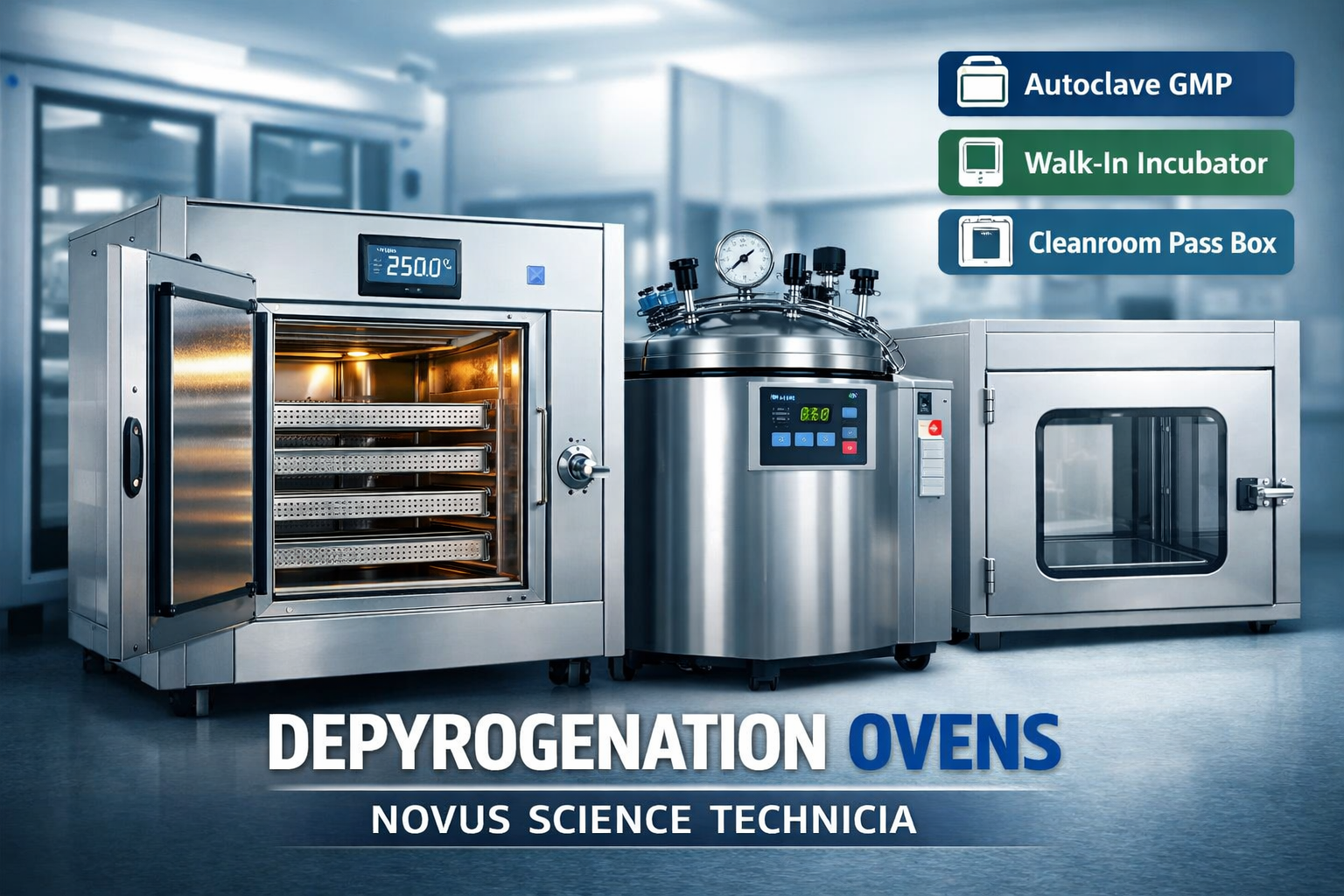
In pharmaceutical and biotechnology markets, preserving a contamination-free environment is critical. Among the most crucial tools made use of in sterile handling are depyrogenation ovens. These specialized ovens are created to remove pyrogens, specifically endotoxins, from glasses and other heat-resistant materials. For firms focused on top quality, compliance, and efficiency, Novus Science Technicia offers sophisticated depyrogenation solutions tailored for modern labs and cleanroom environments.
What Are Depyrogenation Ovens?
Depyrogenation stoves are high-temperature dry warm ovens used to remove pyrogens from materials such as vials, ampoules, and glass containers. Unlike standard sterilization procedures, which kill bacteria, depyrogenation includes exposing products to temperature levels usually above 250 ° C for a particular period to ruin endotoxins.
These ovens are extensively made use of in pharmaceutical manufacturing, vaccination production, and sterilized item development where rigorous GMP Sterilizers(Good Manufacturing Practice) compliance is called for. Correctly designed depyrogenation ovens make sure uniform heat circulation, specific temperature level control, and verified efficiency.
Significance in Medical Lab Configuration
A practical medical research laboratory arrangement requires several sanitation and contamination-control systems. Depyrogenation stoves play a vital duty in guaranteeing that glasses used for injectable medications and sterilized solutions remains endotoxin-free.
Along with depyrogenation systems, research laboratories typically integrate equipment such as:
- Stroll in incubator for massive society development and stability testing
- Autoclave GMP systems for moist warmth sterilization
- Static pass-through box for safe material transfer
- Cleanrooms static pass box to avoid cross-contamination
- GMP sterilizers for confirmed sterilization cycles
At Novus Science Technicia, we recognize that each element in a laboratory ecological community need to collaborate to keep compliance and efficiency.
Depyrogenation Ovens vs Autoclaves
Many experts puzzle depyrogenation with autoclaving. However, they serve different functions. An autoclave GMP system makes use of heavy steam under pressure to sanitize tools and products by eliminating bacteria and spores. It is highly efficient however does not entirely destroy endotoxins.
Depyrogenation ovens, on the other hand, use completely dry warm at a lot greater temperatures to break down pyrogen molecules. For pharmaceutical production, both systems are vital and typically used with each other for total sterilization assurance.
Integration with Cleanroom Equipments
Modern pharmaceutical facilities rely greatly on contamination control. A cleanrooms fixed pass box or fixed pass-through box ensures that materials move in between controlled areas without compromising sterility. Depyrogenated products can be moved securely into aseptic locations via these pass boxes.
Proper air movement systems, HEPA purification, and validated sterilization cycles all add to a risk-free and compliant setting. Novus Science Technicia designs depyrogenation ovens that integrate effortlessly into GMP cleanroom formats.
Typical Autoclave Troubles and Mistakes
While autoclaves are vital in clean and sterile handling, they can offer operational difficulties. Some usual autoclave troubles consist of:
- Insufficient sterilization as a result of incorrect loading
- Heavy steam penetration failure
- Wrong temperature level or stress calibration
- Seal or gasket leakage
There are additionally regular usual autoclave errors, such as overwhelming chambers or picking incorrect sterilization cycles. Additionally, typical mistakes when using autoclaves consist of falling short to check organic signs and overlooking regular upkeep.
Recognizing these concerns assists lab managers keep both autoclave GMP systems and depyrogenation stoves efficiently.
Usual Furnace Issues in High-Temperature Equipments
Considering that depyrogenation ovens operate at really heats, they might come across usual heater problems such as:
- Irregular warmth distribution
- Heating element failing
- Insulation deterioration
Temperature sensing unit inaccuracies
Routine recognition, calibration, and preventative upkeep are crucial to make certain consistent performance. Novus Scientific Technicia highlights high quality parts and robust layout to lessen such operational risks.
Why Choose Novus Science Technicia?
As a relied on brand name in laboratory and pharmaceutical equipment, Novus Science Technicia uses sophisticated depyrogenation ovens crafted for accuracy, sturdiness, and GMP conformity. Our systems attribute:
- Consistent air movement innovation for even warm distribution
- Microprocessor-based temperature level control
- Stainless-steel chamber building and construction
- Data logging and validation assistance
Adjustable chamber dimensions
We additionally supply complete assistance for clinical laboratory arrangement, consisting of stroll in incubator systems, GMP sterilizers, and cleanroom-compatible pass boxes.
Final thought
In pharmaceutical and sterilized manufacturing atmospheres, depyrogenation stoves are vital. They ensure endotoxin elimination, governing conformity, and product security. When integrated with autoclave GMP systems, fixed pass-through boxes, and walk in incubators, they develop the foundation of a reputable sterile processing facility.
By choosing Novus Science Technicia, labs and pharmaceutical firms gain access to high-performance depyrogenation stoves and comprehensive sterilization solutions made to meet the greatest industry requirements. Buying the right tools today guarantees safety, conformity, and functional quality for many years to find.
No responses yet